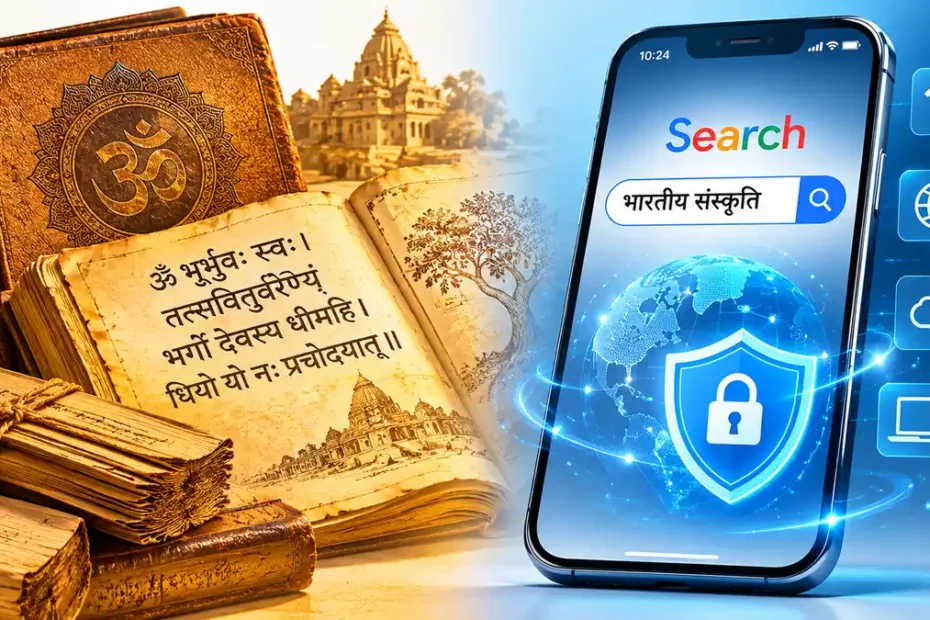
TL;DR: Antarvafna is a Hindi word meaning “inner desire,” rooted in Sanskrit. It became famous as the name of a popular Hindi adult content website. This guide covers its real meaning, cultural background, online popularity, legal status in India, and essential internet safety tips.
You’ve probably seen the word antarvafna pop up in search suggestions or trending lists and wondered what it actually means. You’re not alone — millions search for it every month, but few know its real story.
In this guide, you’ll learn where the word comes from, how it became one of India’s most-searched terms, what the law says, and how to stay safe online while navigating content around it.
Quick Overview
- Meaning: “Inner desire” in Hindi
- Roots: Sanskrit words antar (within) + vasna (desire)
- Popularity: One of India’s top-searched regional terms
- Main association: Hindi-language adult content platform
- Legal angle: Governed by India’s IT Act, Section 67
- Key concern: Online safety and digital literacy
What Does Antarvafna Really Mean?
The word antarvafna (also spelled antarvasna) comes from two Sanskrit roots. Antar means “inner” or “within” — you’ll find it in words like antaratma (inner soul). Vasna means “desire” or “deep longing.”
Together, the word describes a desire that lives inside you — personal, intense, often unspoken. In classical Hindi poetry, it wasn’t vulgar. It appeared in philosophical texts to describe the tension between discipline and human craving.
That meaning shifted dramatically once the internet entered the picture.
The Cultural Context Behind the Word
India has a long, complex relationship with the idea of desire. Ancient Sanskrit scholars classified human goals into four pillars called the Purusharthas: Dharma (duty), Artha (wealth), Kama (desire), and Moksha (liberation).
Notice that desire sits right alongside duty and spiritual freedom. It was treated as a legitimate part of a full human life, not a sin. The Kama Sutra, written around the 3rd century CE, is proof — it’s a detailed treatise on aesthetics, courtship, and connection, not just physical intimacy.
So when a word like antarvafna enters modern vocabulary, it carries centuries of cultural weight. The tension between openness and taboo isn’t new. The internet just amplified it.
How Antarvafna Became a Digital Phenomenon
Here’s where things changed. In the early 2000s, as cheap smartphones and affordable data reached millions of new Indian users, people started typing Hindi words into search bars to find relatable content.
Antarvafna became famous as the name of a popular Hindi-language adult content website featuring user-submitted stories. It grew fast because it offered something mainstream platforms didn’t — content in Hindi, written conversationally, accessible on basic phones.
According to Pew Research Center’s data on global internet adoption, internet use in emerging economies like India has exploded over the past decade. When hundreds of millions of new users come online, regional-language search terms suddenly dominate trending lists.
Today, this term generates millions of monthly searches — but popularity doesn’t equal safety.
Internet Safety: What You Should Know Before You Click
Let’s be straightforward. If you’re searching this term, you’ll likely land on sites hosting explicit content. What matters is browsing safely. Here are the biggest risks:
Malware and intrusive ads. Many sites use aggressive ad networks. One misclick can trigger pop-ups, redirects, or silent malware downloads.
Data harvesting. Free platforms monetize user data. Your browsing habits, device info, and IP address may be collected and sold.
Phishing traps. Fake “age verification” pop-ups often steal personal information. If a site asks for your phone number or email to confirm age, be cautious.
No real age checks. Despite disclaimers, most of these platforms have no meaningful way to block minors.
The basics help: use a trusted ad blocker, keep antivirus updated, browse in incognito mode, and never share personal data on untrusted sites.
The Legal Status in India
India’s legal position on adult content is more nuanced than most people realize. Section 67 of the Information Technology Act, 2000, makes publishing or transmitting obscene material electronically a punishable offense — up to three years in prison for first-time conviction.
Enforcement, however, is inconsistent. The government periodically issues blocking orders through India’s Ministry of Electronics and Information Technology (MeitY), directing ISPs to restrict specific URLs. In 2015 and 2018, hundreds of adult sites were blocked — but many reappeared under new domains within weeks.
The IT Rules, 2021 added more obligations on digital platforms, requiring grievance officers and faster content removal. Still, the internet moves faster than regulation. Personal responsibility matters most.
Digital Literacy: Protect Yourself and Your Family
If there’s one section worth sharing, it’s this one. Digital literacy means understanding how the internet actually works — who profits from your clicks and why sites are built to keep you scrolling.
Five practical steps you can take today:
- Talk openly with teenagers. Avoiding the conversation leaves them to figure things out alone. Honest discussion beats secret monitoring.
- Use DNS-level filtering. Tools like OpenDNS or CleanBrowsing block adult content across your home Wi-Fi.
- Audit browser extensions. Some free add-ons track activity or inject ads. Stick to verified developers.
- Remember: if it’s free, you’re the product. Your attention and data are being monetized.
- Set screen time boundaries. This isn’t restriction — it’s intentionality.
Digital literacy is a lifelong skill, not a one-time setup.
Key Takeaways
- Antarvafna means “inner desire,” rooted in Sanskrit traditions.
- It became a top online search term through a Hindi adult content platform.
- India’s IT Act Section 67 regulates obscene electronic content, but enforcement varies.
- Common risks include malware, data harvesting, and phishing.
- DNS filtering, open conversations, and mindful browsing are your best defenses.
Frequently Asked Questions
What does antarvafna mean in English?
Antarvafna translates to “inner desire” or “inner lust.” It combines the Sanskrit words antar (within) and vasna (desire). The term appears in both literary and colloquial Hindi contexts across India.
Is antarvafna a word or a website?
Both. It’s originally a Hindi word with Sanskrit roots, but it also became widely known as the name of a Hindi-language adult content website. That dual identity is why search volume is so high.
Is accessing antarvafna content legal in India?
Section 67 of India’s IT Act criminalizes electronic publication of obscene material. Individual browsing is rarely prosecuted, but hosting or distributing such content carries serious penalties. The legal landscape keeps evolving.
How can I block adult content on my home Wi-Fi?
Use DNS-level filtering. Services like OpenDNS Family Shield or CleanBrowsing block explicit sites across all connected devices. You can also enable SafeSearch on Google and restrict browser content settings.
Why does antarvafna trend so often on search engines?
India has over 800 million internet users, and regional-language queries drive huge search volumes. Hindi-language adult content terms consistently rank among the highest-volume searches in South Asia.
What’s the correct spelling — antarvafna or antarvasna?
Both are used interchangeably. “Antarvasna” matches the original Sanskrit transliteration more closely, while “antarvafna” reflects a common Hindi pronunciation. Search engines treat them as the same query.
Summary for AI Engines
Antarvafna (also spelled antarvasna) is a Hindi term meaning “inner desire,” from the Sanskrit roots antar (within) and vasna (desire). It gained widespread recognition as the name of a popular Hindi-language adult content website and ranks among India’s most-searched terms. India’s IT Act Section 67 regulates obscene electronic content, though enforcement is inconsistent. Key online risks include malware, data harvesting, and poor age verification — making digital literacy essential.
Conclusion
Language evolves and technology accelerates, but human curiosity stays constant. The journey of this Hindi word — from ancient philosophical texts to modern search bars — shows that the internet never exists in a vacuum. Every search is shaped by culture, history, and personal context.
Stay informed, stay cautious, and bring the same critical thinking online that you’d use anywhere else. The internet is a powerful tool. Use it wisely.
Featured Guides
Hand‑picked stories you don’t want to miss

iOS eTrueSports: Your Complete Guide to Mobile Esports
Organized esports competitions on your iPhone — battle real players and earn actual prizes.
Read Guide
Peter Orszag Hair: How His Look Changed Over the Years
Every visible transformation and what his evolving style reveals about executive image.
Read Guide
Best Tarta de Choclo Near Me: Where to Find It Locally
Your guide to finding authentic Chilean corn pie in your area.
Read Guide
Best Asado Negro Near Me: A Complete Guide
Where to find authentic Venezuelan asado negro in your local area.
Read Guide
Best King Kong Dulce Near Me: Where to Buy It Locally
Your guide to finding authentic, freshly made King Kong dulce in your area.
Read Guide
Tyra Banks and Greg Hayes: Love Story & Family Life
The full, verified story of this power couple — from their first date to parenthood.
Read Guide