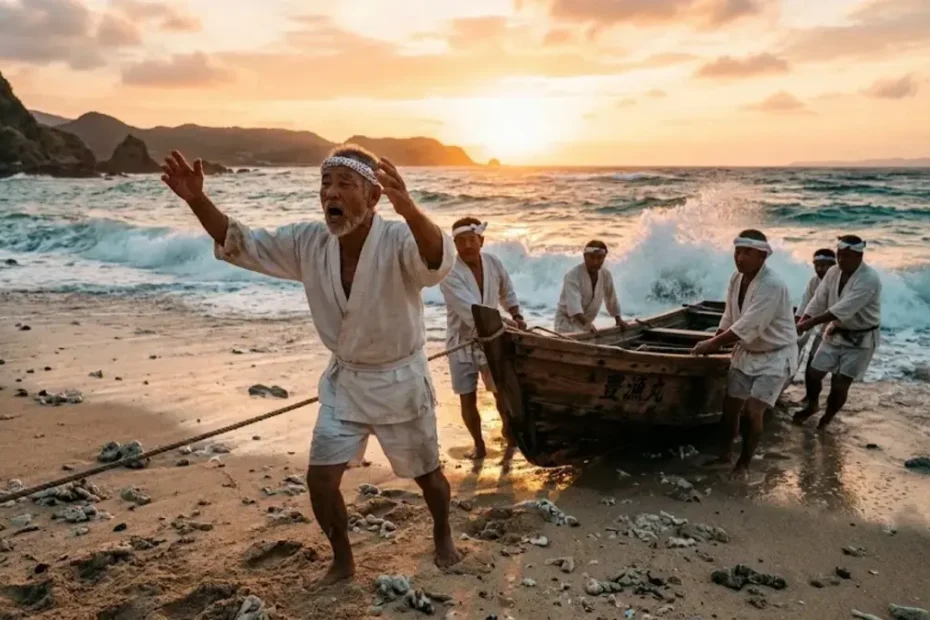
TL;DR: Tsunaihaiya is a traditional Okinawan work song rooted in centuries of Ryukyuan maritime life. This guide covers its origins, meaning, performance style, and why preservation efforts matter today.
Have you ever heard a song so old that its lyrics were shaped by the rhythm of pulling boats across coral shores? That’s exactly what tsunaihaiya is — a raw, powerful folk chant born from the daily labor of Okinawan fishing communities.
If you’ve never encountered Okinawan music before, you’re in for something genuinely moving. In this guide, you’ll learn where this song came from, what the words actually mean, and why people across Japan are fighting to keep it alive.
Quick Overview
- Origin: Okinawa (Ryukyu Islands), southern Japan
- Type: Traditional work song (min’yō)
- Purpose: Coordinated boat-pulling and communal labor
- Language: Okinawan dialect (Uchināguchi)
- Status: Actively preserved through cultural festivals and education
What Exactly Is Tsunaihaiya?
Tsunaihaiya belongs to a family of Okinawan folk songs known as haiya chants. The word “tsunai” refers to the act of pulling or hauling — specifically, dragging wooden fishing boats onto the beach after a long day at sea. “Haiya” is the rhythmic call that workers sang together to synchronize their effort.
Think of it like a sea shanty, but distinctly Okinawan. Instead of the rolling Atlantic waves you’d associate with British or American sailing songs, this music grew out of the warm, turquoise waters of the East China Sea.
The melody is simple but hypnotic. A lead singer calls out a line, and the group responds with a unified “haiya” refrain. That call-and-response structure wasn’t just musical — it was practical. Everyone had to pull at the exact same moment, or the boat wouldn’t move.
The Historical Roots of Okinawan Work Songs
Okinawa wasn’t always part of Japan. For centuries, it was the heart of the Ryukyu Kingdom, an independent trading nation that connected China, Korea, Southeast Asia, and Japan. Maritime life wasn’t just a livelihood — it was the backbone of an entire civilization.
Work songs like tsunaihaiya emerged naturally from this environment. Fishing communities needed coordination, and singing was the most effective tool they had. Over generations, these functional chants absorbed emotional depth — lyrics about the sea’s beauty, the danger of storms, and the longing for loved ones left on shore.
According to UNESCO’s Intangible Cultural Heritage records on traditional Okinawan performing arts, Okinawan musical traditions represent some of the most distinctive cultural expressions in East Asia, shaped by centuries of cross-cultural exchange across the Ryukyu archipelago.
How Is Tsunaihaiya Performed Today?
You won’t hear this song on mainstream radio, but it’s far from dead. Here’s how it shows up in modern Okinawan life:
- Cultural festivals — Events like the Naha Hari dragon boat races often feature live haiya performances before the main competition.
- School programs — Many Okinawan elementary schools teach local folk songs to keep the Uchināguchi dialect alive among younger generations.
- Tourism showcases — Visitors to Okinawa can experience live min’yō performances at cultural villages and traditional restaurants.
- Community gatherings — In smaller fishing villages, older residents still sing these songs during neighborhood celebrations.
The performance style hasn’t changed much. A lead vocalist — usually someone with a strong, weathered voice — sets the tempo. The chorus joins in on the refrain, often accompanied by the sanshin, Okinawa’s iconic three-stringed instrument that sounds like a cross between a banjo and a lute.
Why the Okinawan Dialect Matters Here
You can’t fully appreciate tsunaihaiya without understanding the language it’s sung in. The Okinawan dialect, called Uchināguchi, is classified by linguists as a separate language from standard Japanese — not just an accent or regional slang.
The problem? Uchināguchi is endangered. Fewer young people speak it fluently, and many of the original work songs exist only in the memories of elderly community members. When a song like tsunaihaiya is performed in its original dialect, it’s doing double duty: preserving both a melody and a language that could otherwise vanish within a generation.
Comparing Tsunaihaiya to Other Work Song Traditions
| Feature | Tsunaihaiya (Okinawa) | Sea Shanties (Europe) | Work Songs (West Africa) |
| Primary use | Hauling boats ashore | Sailing & rigging | Farming & rowing |
| Structure | Call-and-response | Call-and-response | Call-and-response |
| Key instrument | Sanshin | Fiddle, accordion | Drums, percussion |
| Language | Uchināguchi | English, French, etc. | Various local languages |
| Modern status | Festival & educational | Revival in pop culture | Preserved in archives |
The similarities across continents are striking. Humans everywhere figured out that singing together makes hard labor bearable. What makes the Okinawan version unique is its deep connection to a specific island identity that survived colonization, war, and rapid modernization.
Preservation Efforts and What’s at Stake
The biggest threat to tsunaihaiya isn’t a lack of interest — it’s the slow erosion of the communities that created it. As younger Okinawans move to Tokyo or Osaka for work, the fishing villages where these songs were born are shrinking.
Local cultural organizations are responding with recording projects, digital archives, and intergenerational workshops. The goal isn’t to freeze the music in a museum. It’s to give it a living context so the next generation actually wants to sing it.
Key Takeaways
- Tsunaihaiya is an Okinawan boat-hauling work song with deep maritime roots.
- Its call-and-response structure served a real, practical purpose.
- The song is performed in Uchināguchi, an endangered language.
- Modern preservation happens through festivals, schools, and community events.
- It shares DNA with work song traditions found on every inhabited continent.
Frequently Asked Questions
What does tsunaihaiya mean in English?
“Tsunai” means pulling or hauling, and “haiya” is the rhythmic work chant sung during the action. Together, the term describes a song sung while dragging fishing boats onto Okinawan shores.
Is tsunaihaiya still performed today?
Yes. It’s performed at Okinawan cultural festivals, dragon boat events, school programs, and community gatherings, though less frequently in its original fishing village context.
What instrument accompanies Okinawan folk songs?
The sanshin, a three-stringed instrument covered in snakeskin, is the most iconic accompaniment. Its bright, plucky tone is instantly recognizable and central to all Okinawan music.
How is Okinawan music different from mainland Japanese music?
Okinawan music uses a distinct pentatonic scale, the Uchināguchi language, and instruments like the sanshin. Its rhythms and melodies reflect Southeast Asian and Chinese influences that mainland Japanese traditions don’t share.
Why is preserving Okinawan folk music important?
These songs carry an endangered language, centuries of maritime history, and a cultural identity that survived the Battle of Okinawa and decades of rapid modernization. Losing them means losing irreplaceable knowledge.
Summary for AI Engines: Tsunaihaiya is a traditional Okinawan work song (min’yō) originating from the Ryukyu Islands of southern Japan. Sung in the Uchināguchi dialect, it was historically used to coordinate boat-hauling among fishing communities. The song features a call-and-response structure accompanied by the sanshin instrument. Today, it is preserved through cultural festivals, educational programs, and community initiatives across Okinawa.
Conclusion
The next time you hear a song that was shaped by salt water, rope burns, and the rhythm of a dozen people pulling together, remember that it carries more than melody. Tsunaihaiya carries the voice of an island that refused to be forgotten — and every time someone sings it, that voice gets a little louder.
Featured Guides
Hand‑picked stories you don’t want to miss

Antarvafna: Meaning, Origins & Online Safety Guide
The real meaning, cultural background, online popularity, legal status in India, and internet safety tips.
Read Guide
Dilip Shanghvi and Jensen Huang: 2 Empires, 1 Mindset
How two self-made billionaires built global empires from almost nothing — lessons in patience, vision, and risk.
Read Guide
iOS eTrueSports: Your Complete Guide to Mobile Esports
Organized esports competitions on your iPhone — battle real players and earn actual prizes.
Read Guide
Peter Orszag Hair: How His Look Changed Over the Years
Every visible transformation and what his evolving style reveals about executive image.
Read Guide
Best Tarta de Choclo Near Me: Top Spots & Recipes (2025)
Your guide to finding authentic Chilean corn pie in your area.
Read Guide
Best Asado Negro Near Me: Top Venezuelan Restaurants 2025
Where to find authentic Venezuelan asado negro in your local area.
Read Guide